


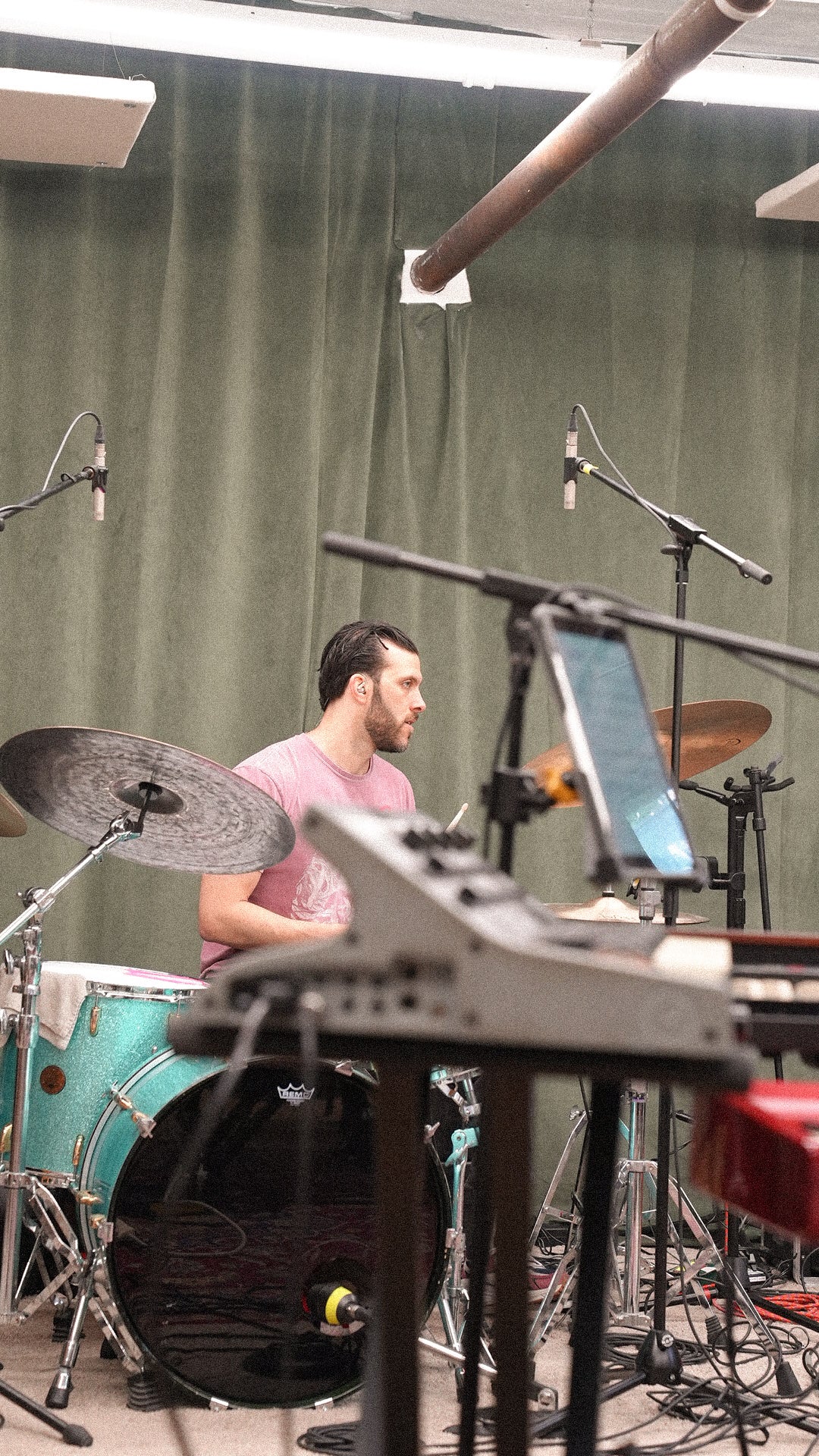
About Mario Telaro
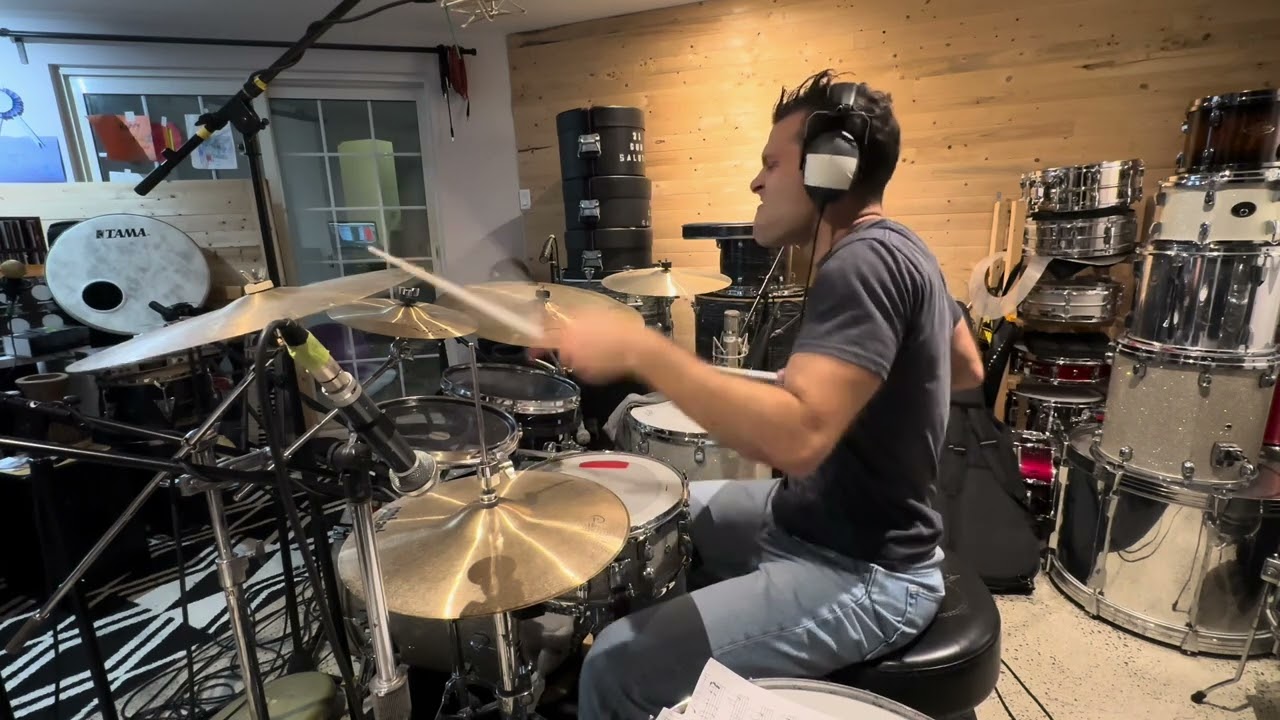
Mario Telaro is a session drummer based in Montreal, QC, Canada. He performs regularly with a variety of artists and offers professional session work either remotely from his home studio or in person.
Mario's Career
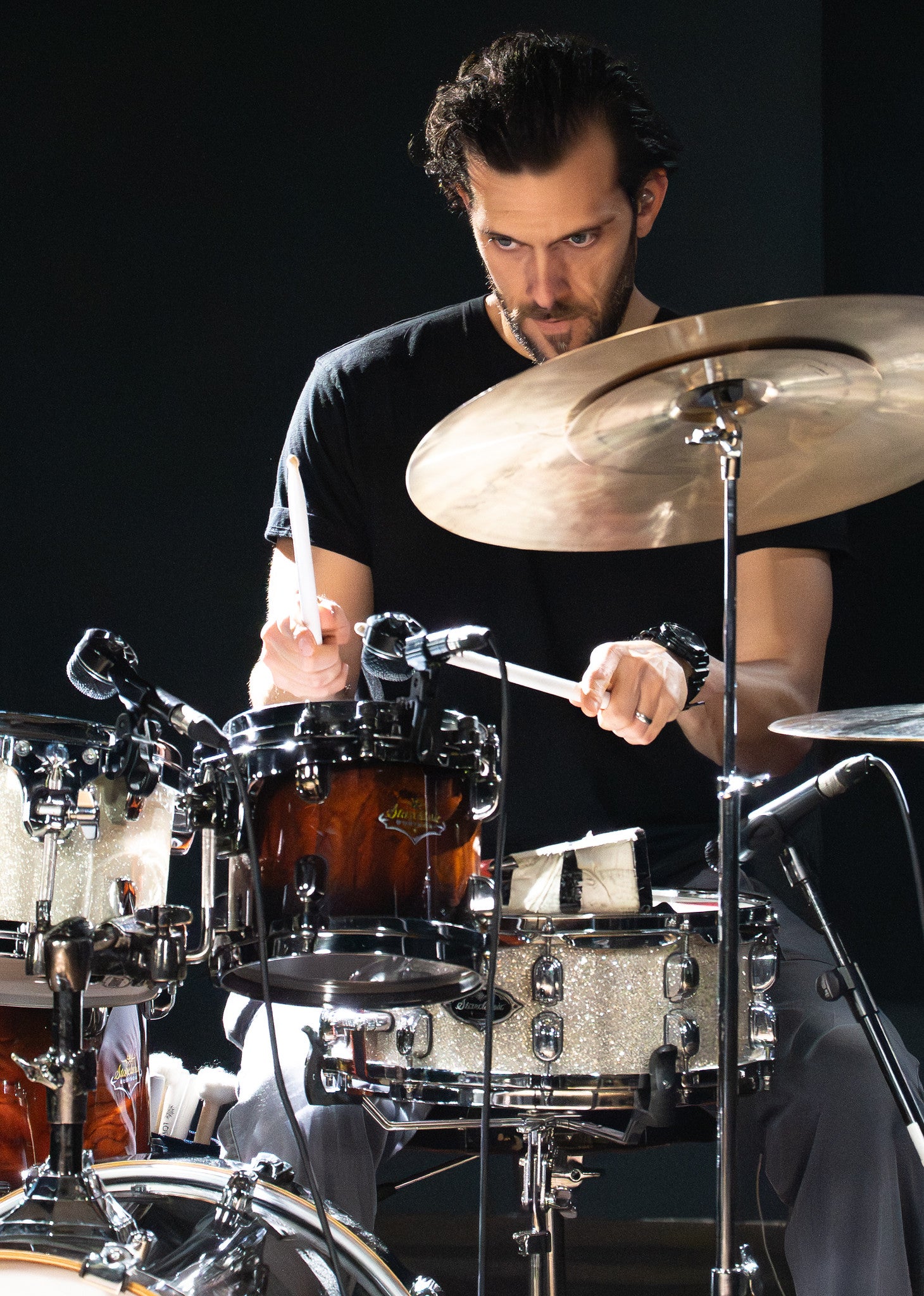
Mario Telaro is a session drummer based in Montreal, QC, Canada. He began doing session work at just 17 years old, working alongside his father, and grew up surrounded by recording studios—an environment that helped him develop his craft early on.
Over the years, Mario has recorded and performed with a wide range of artists, including:
Bobby Bazini, Brittany Kennell, Mika, Céline Dion, Ryan Kinder, Marc Dupré, Garou, Mario Pelchat, Annie Villeneuve, and Étienne Drapeau.
When he’s not in the studio, Mario can often be found on the road with one of these artists. He has been performing with Bobby Bazini for over 15 years, and many of his other collaborations have been long-standing as well. His work spans a broad spectrum of styles—from folk, indie, country, blues, and blues rock to reggae and funk—each one its own unique musical universe that he strives to complement in his own way.
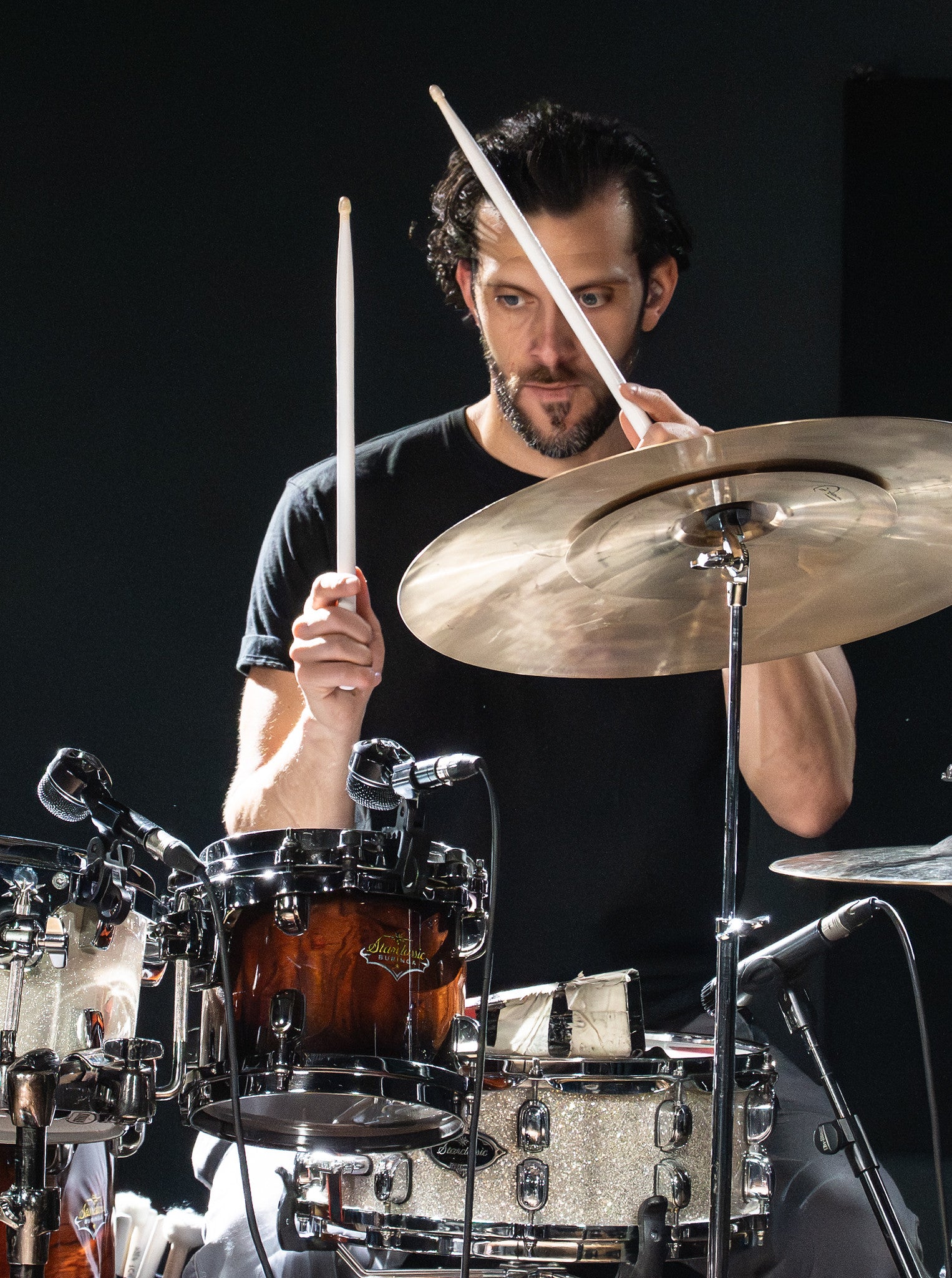
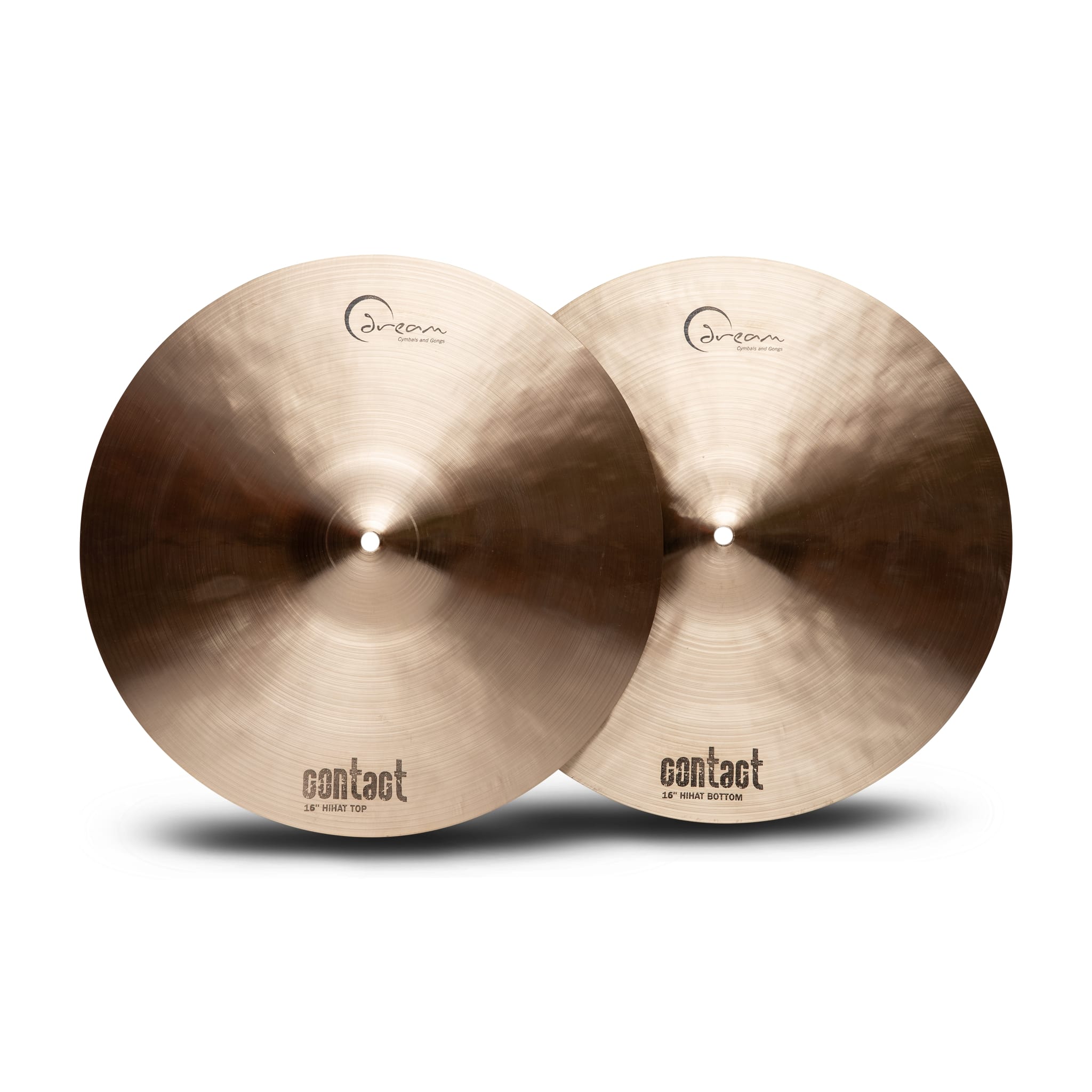
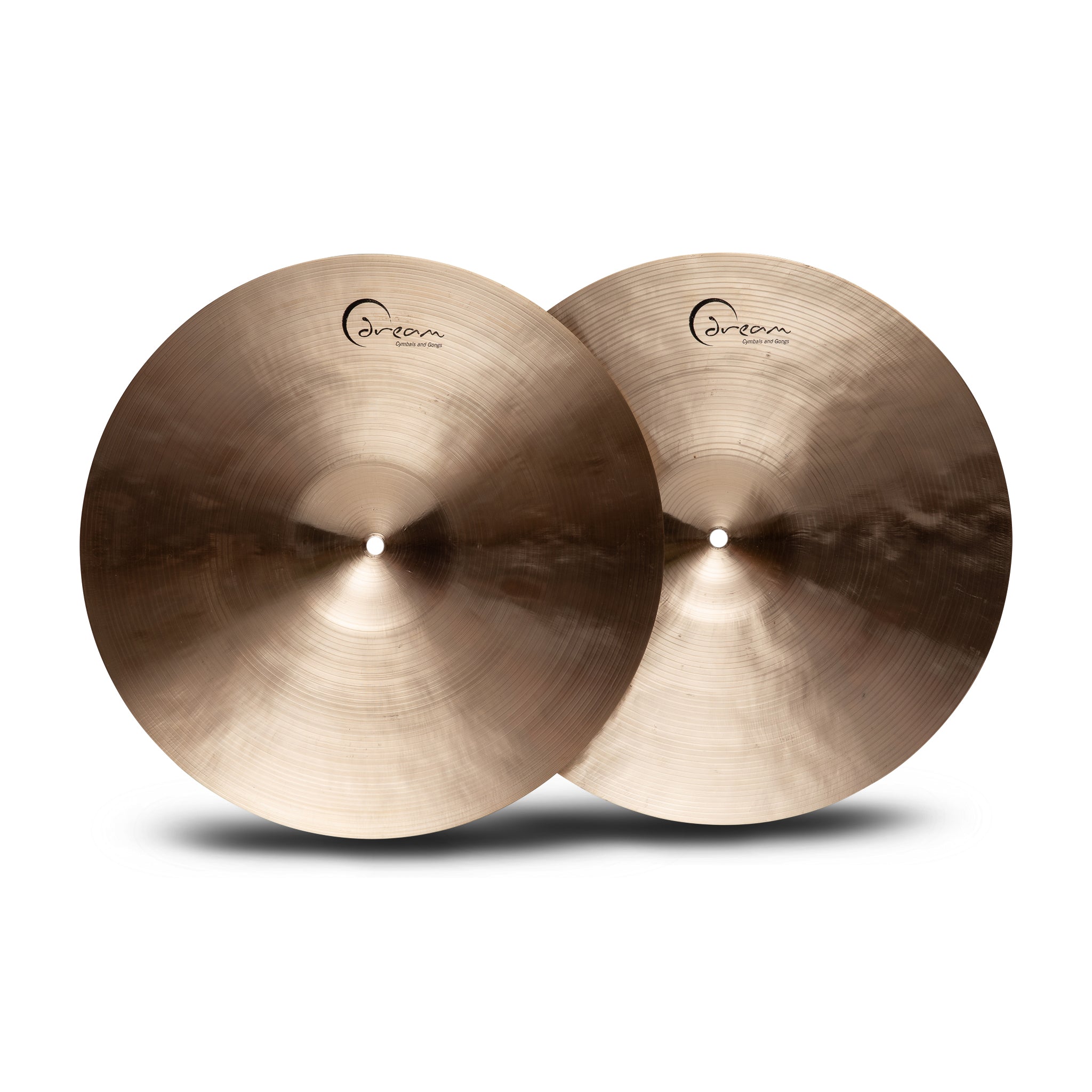
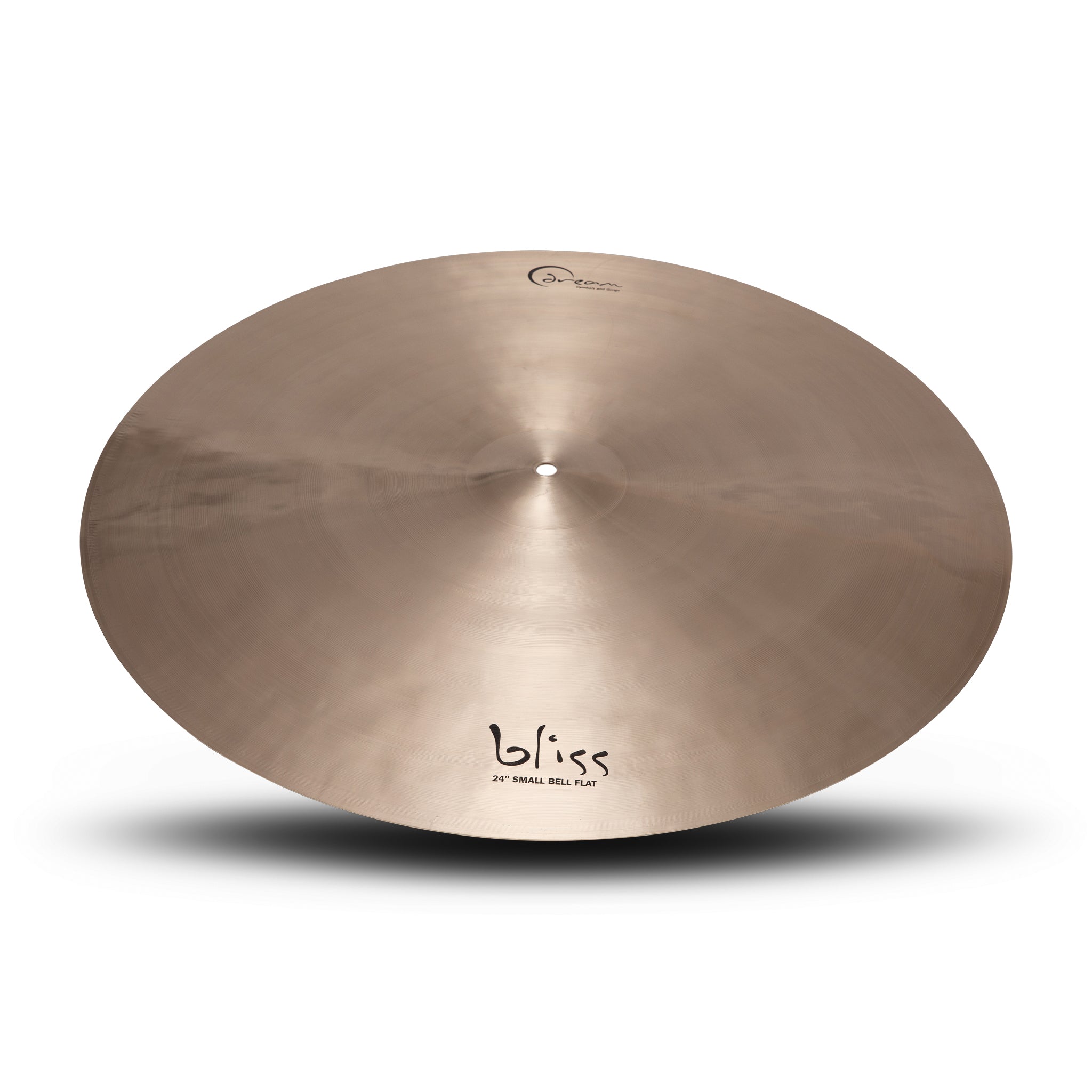
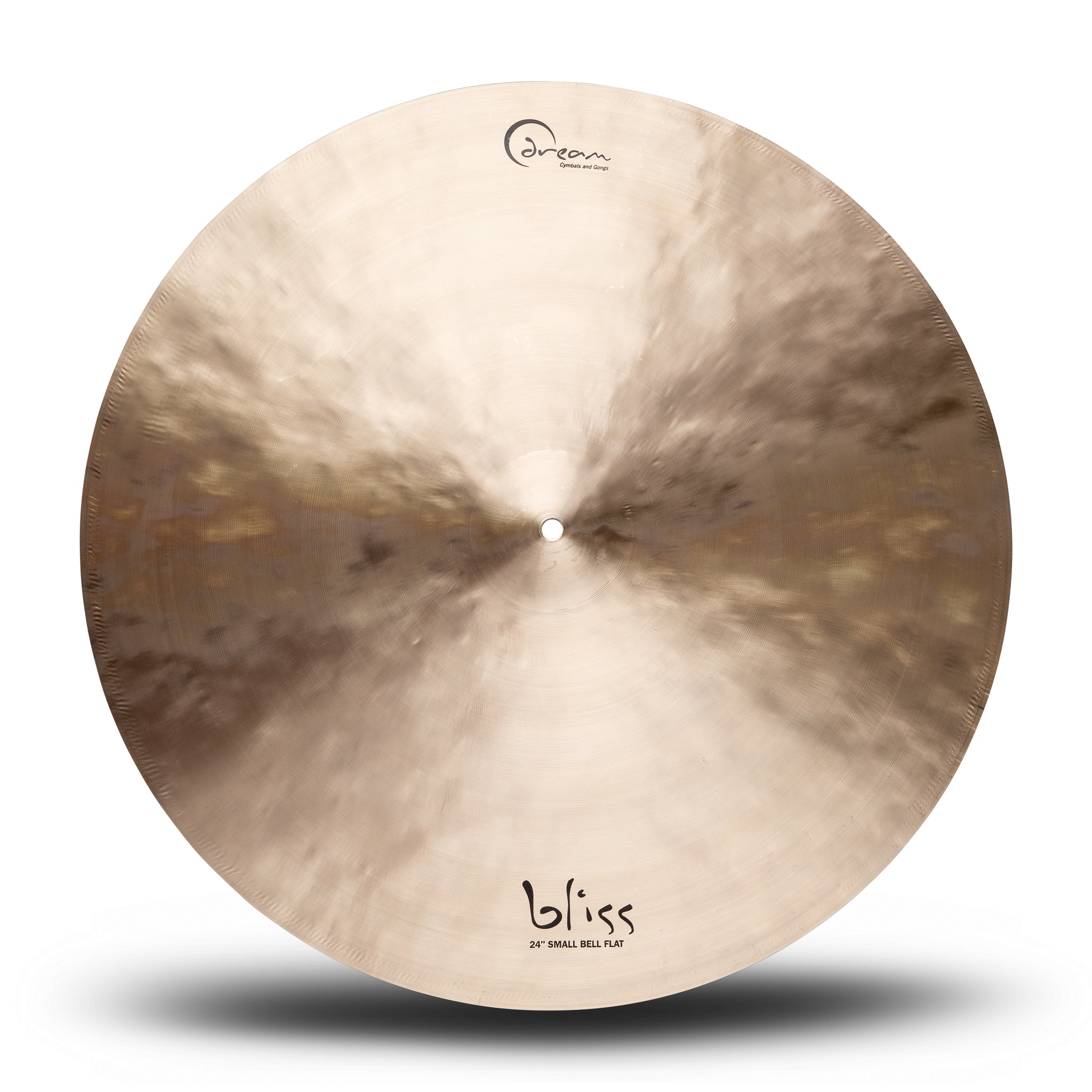
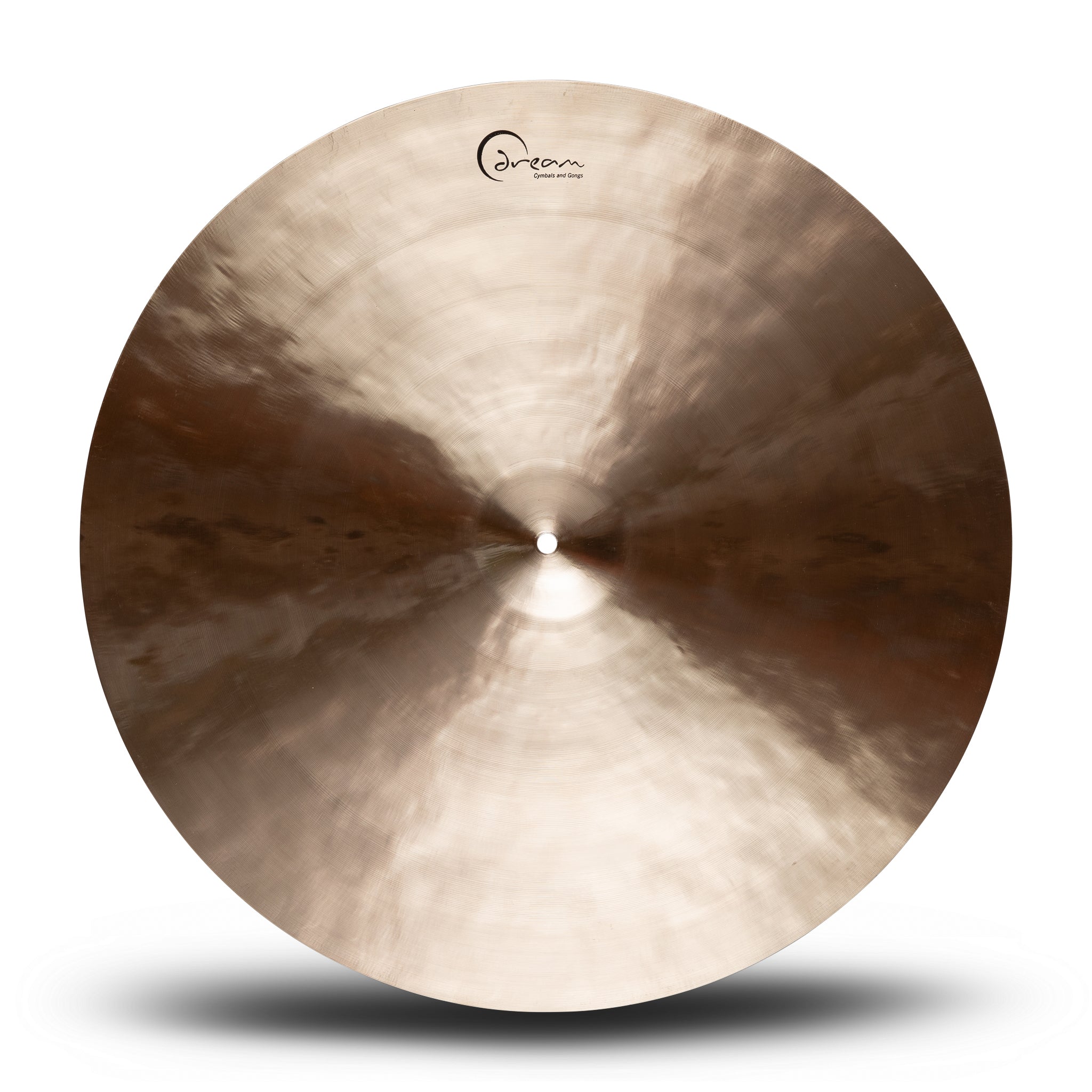
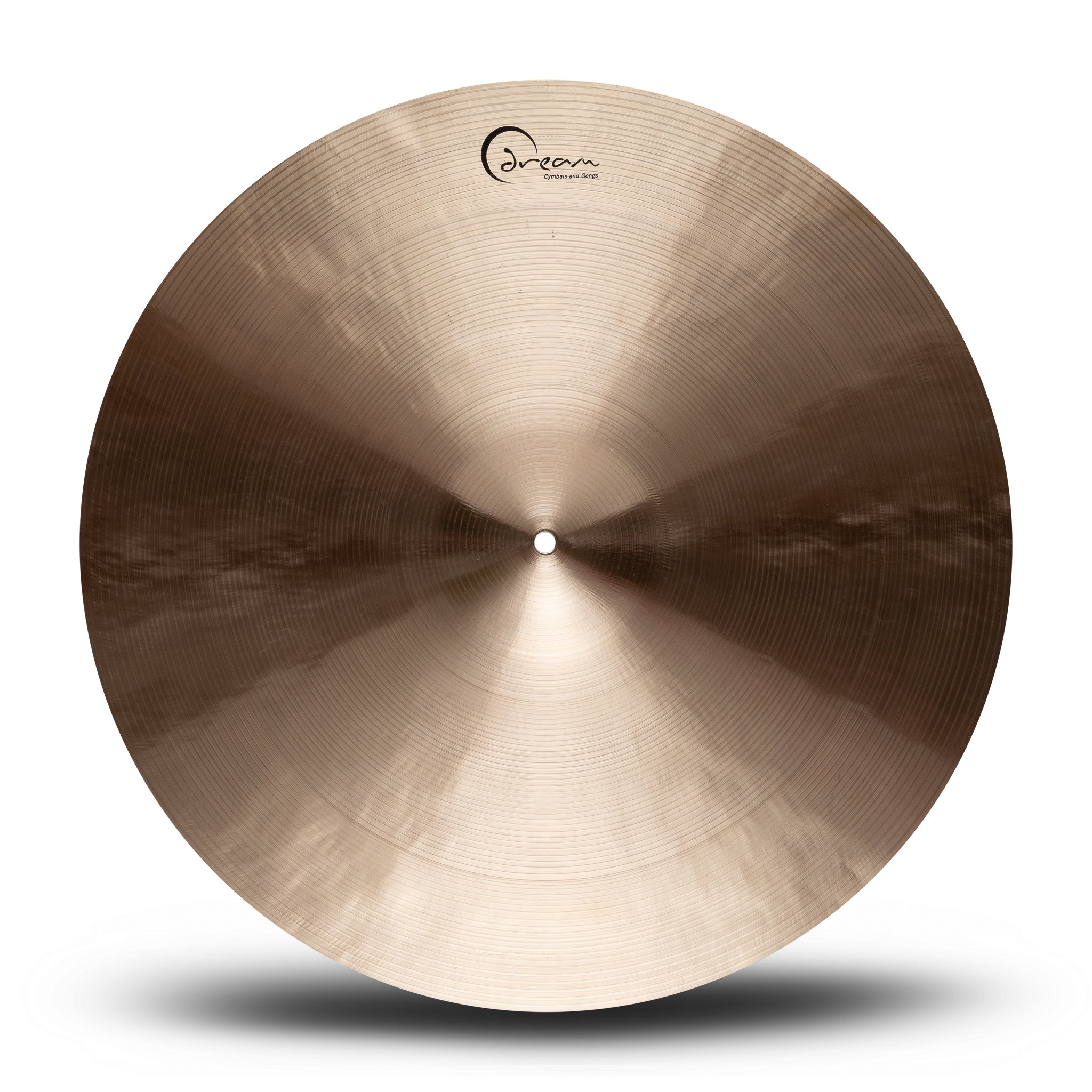
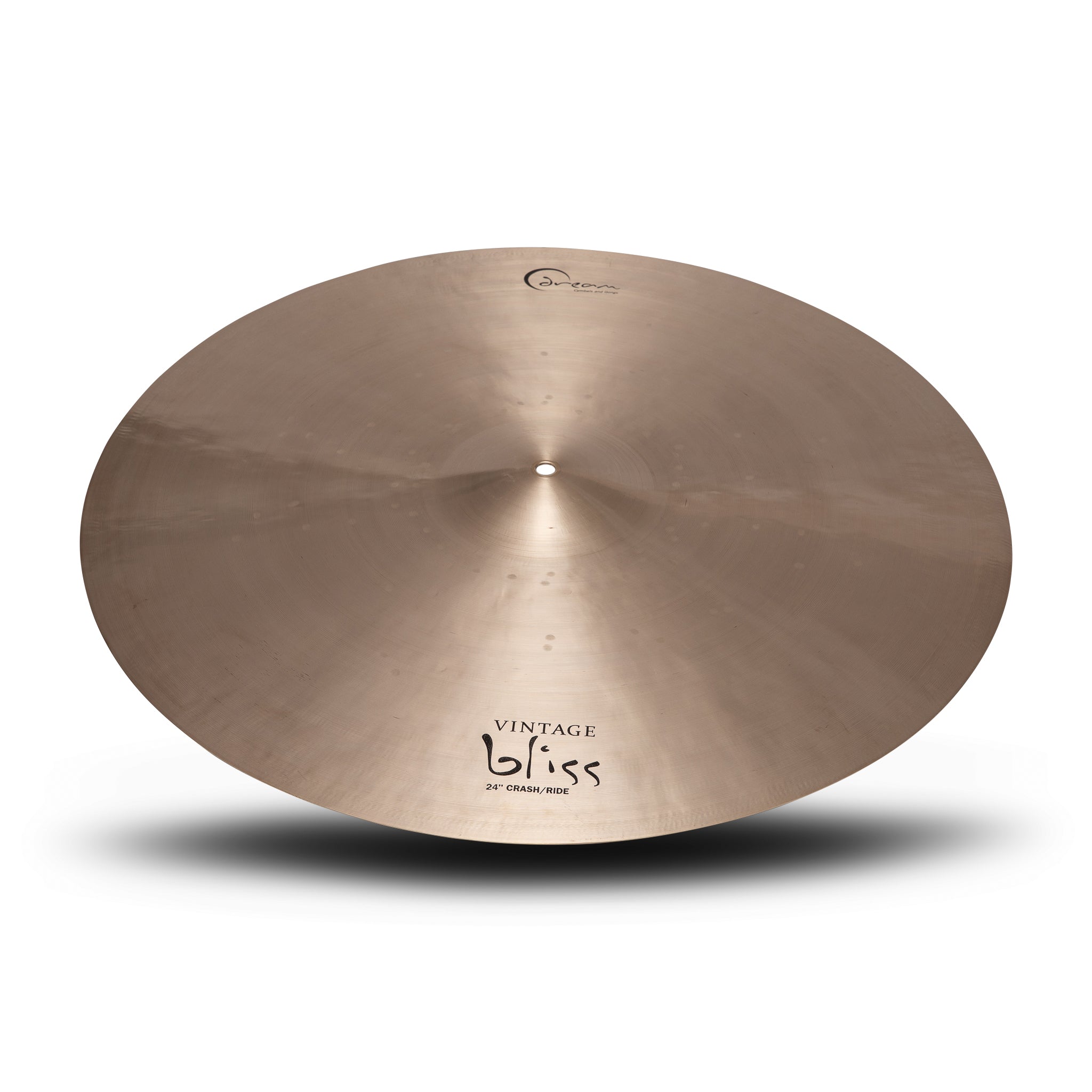
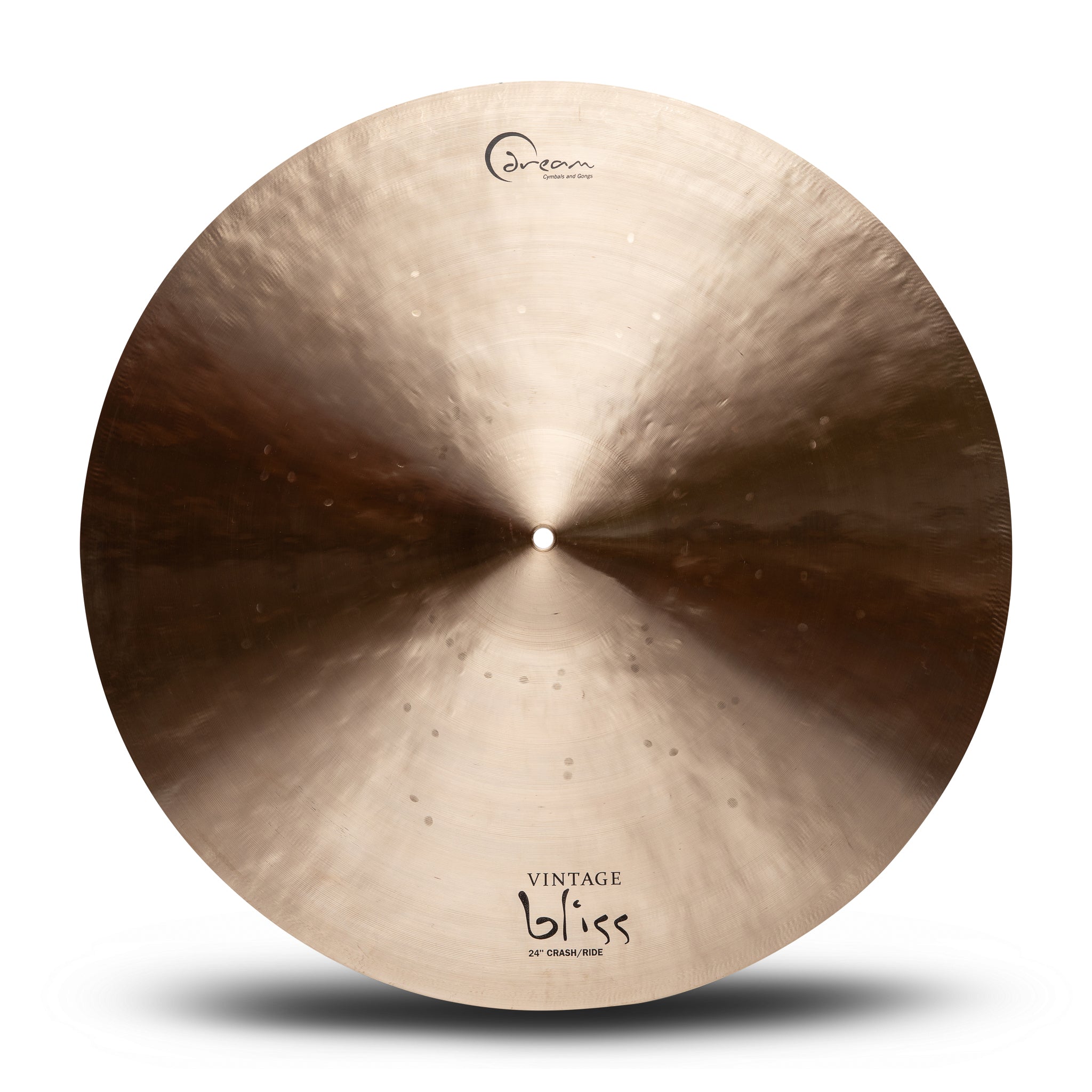
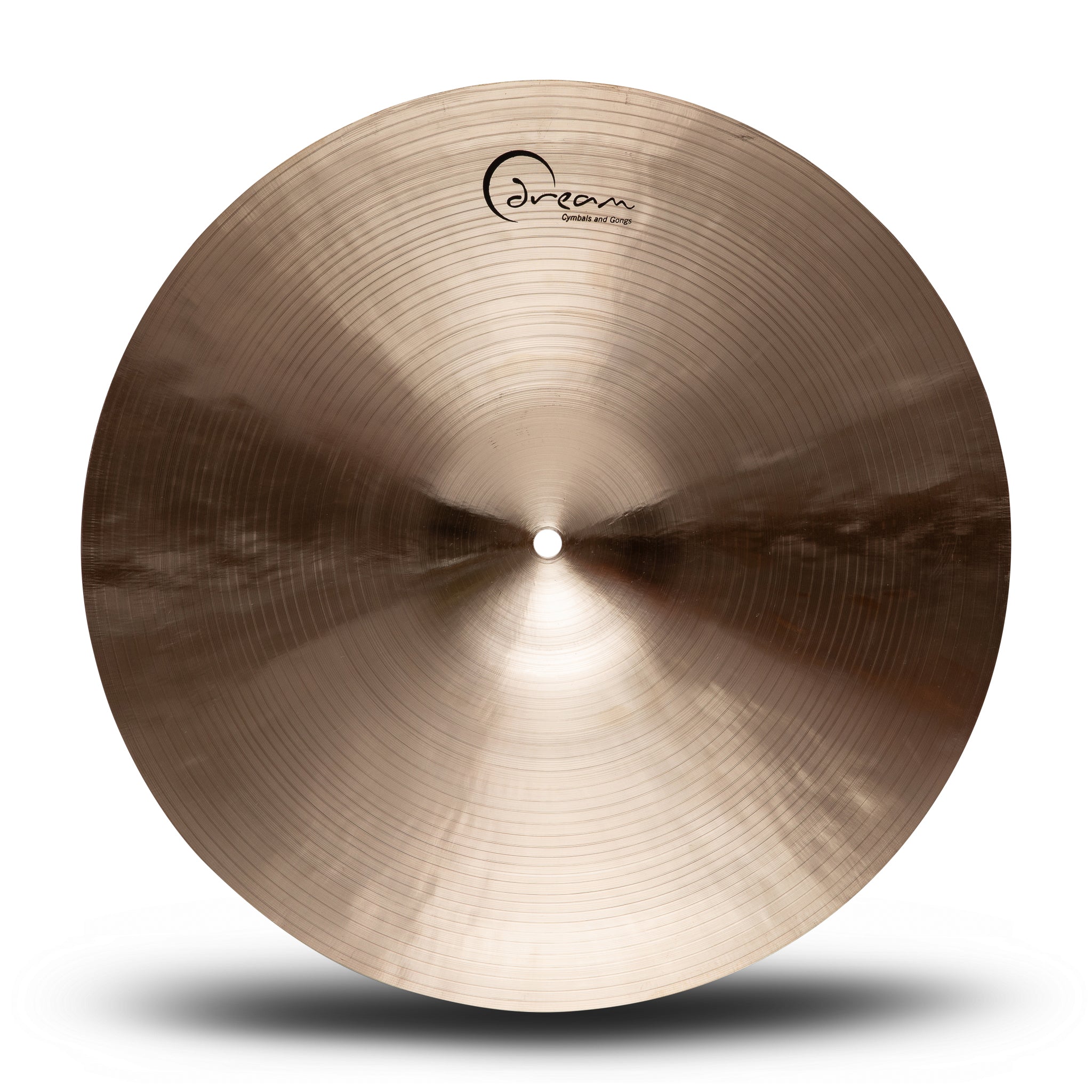
I think it’s important for an artist, if they are going to be committing to a brand, to find one that completely aligns with their vision for the instrument. I also think it’s important to develop a relationship where artist and brand can grow together. Before Dream, I had a cymbals from many different companies and they were all really fantastic. What I didn’t have was a cymbal sound or cymbal approach. On the road in Edmonton with Bobby, I found my Vintage Bliss 18” crash/ride used at a music store, and there began my journey with Dream. I’ve since gotten to really know the lines and when to use which. The common thread among them is that they tend to be really reasonable with regards to volume, without completely disappearing and petering out. They also have really rich, deep overtones which is a sound that I like. I like when under the attack of the cymbal, there’s a rich world of harmonics bubbling. It allows me to play with the length of the cymbal and think about them musically.
The lines I use on stage are what I’d call SM58 friendly, which means they don’t tend to overtake the vocal microphones that are positioned at roughly the same height and several feet in front. People out front always tell me how much they love the cymbal sounds in the room, and singers, lead and harmony, have often thanked me for not taking over their in ear mixes. They always just seem to fit in.
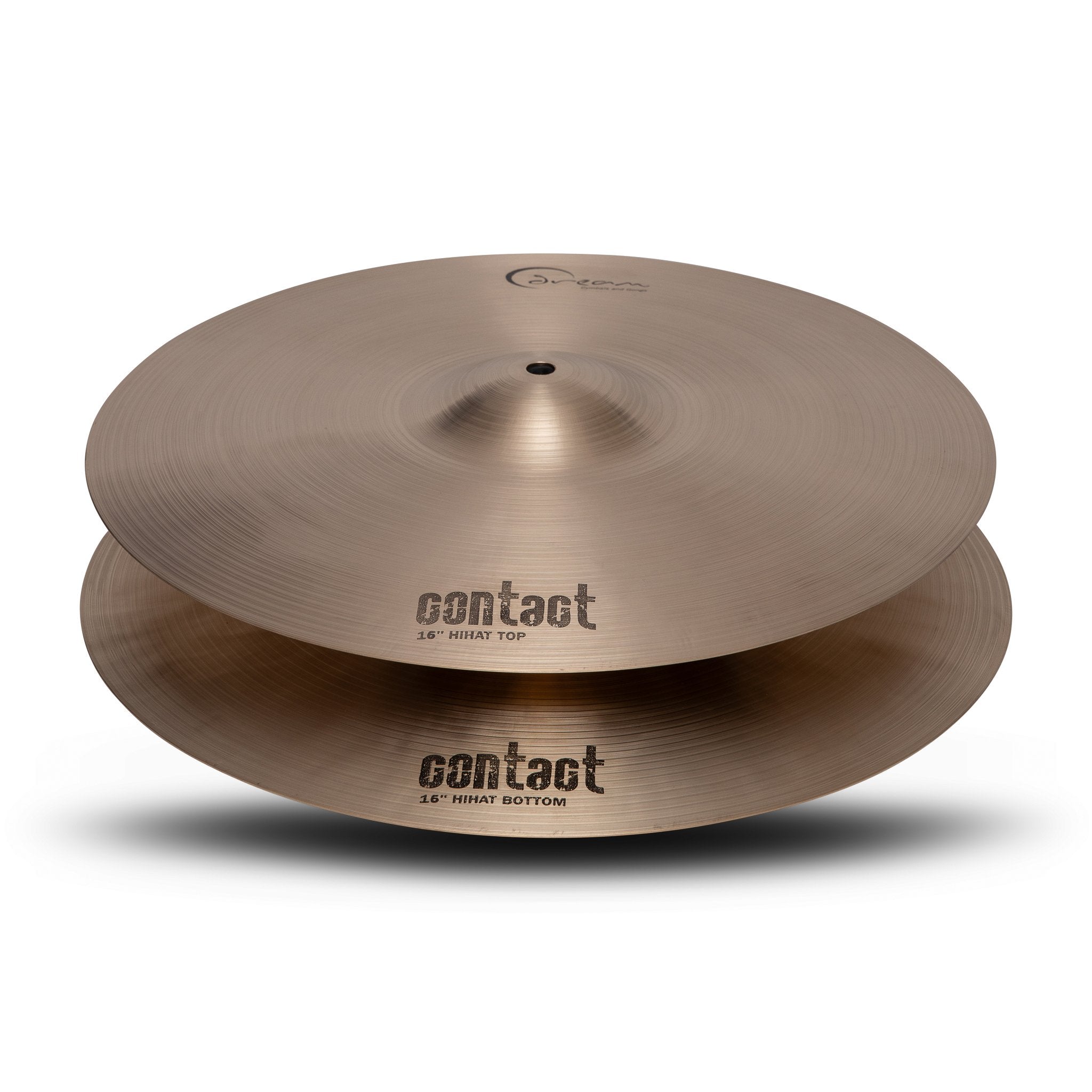
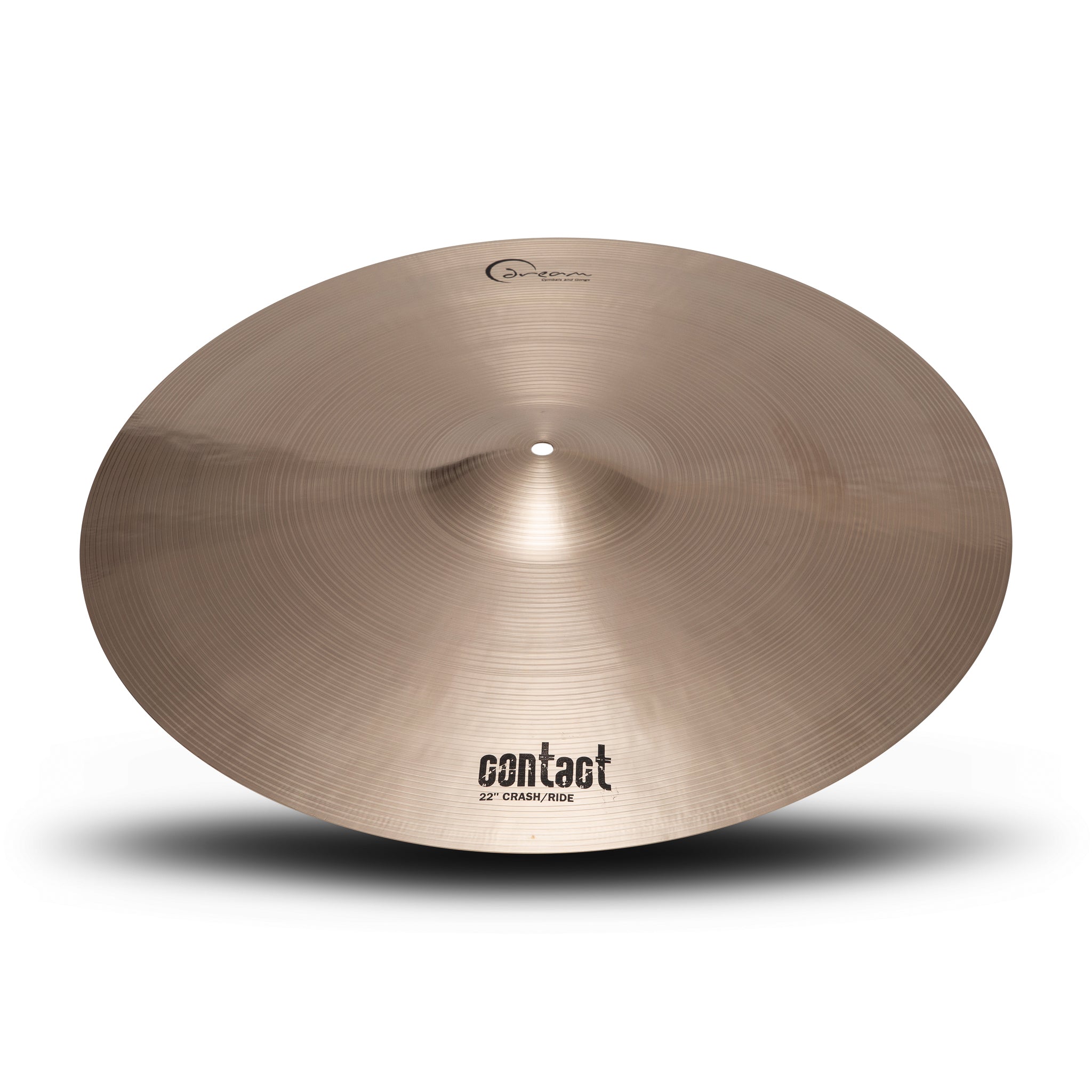
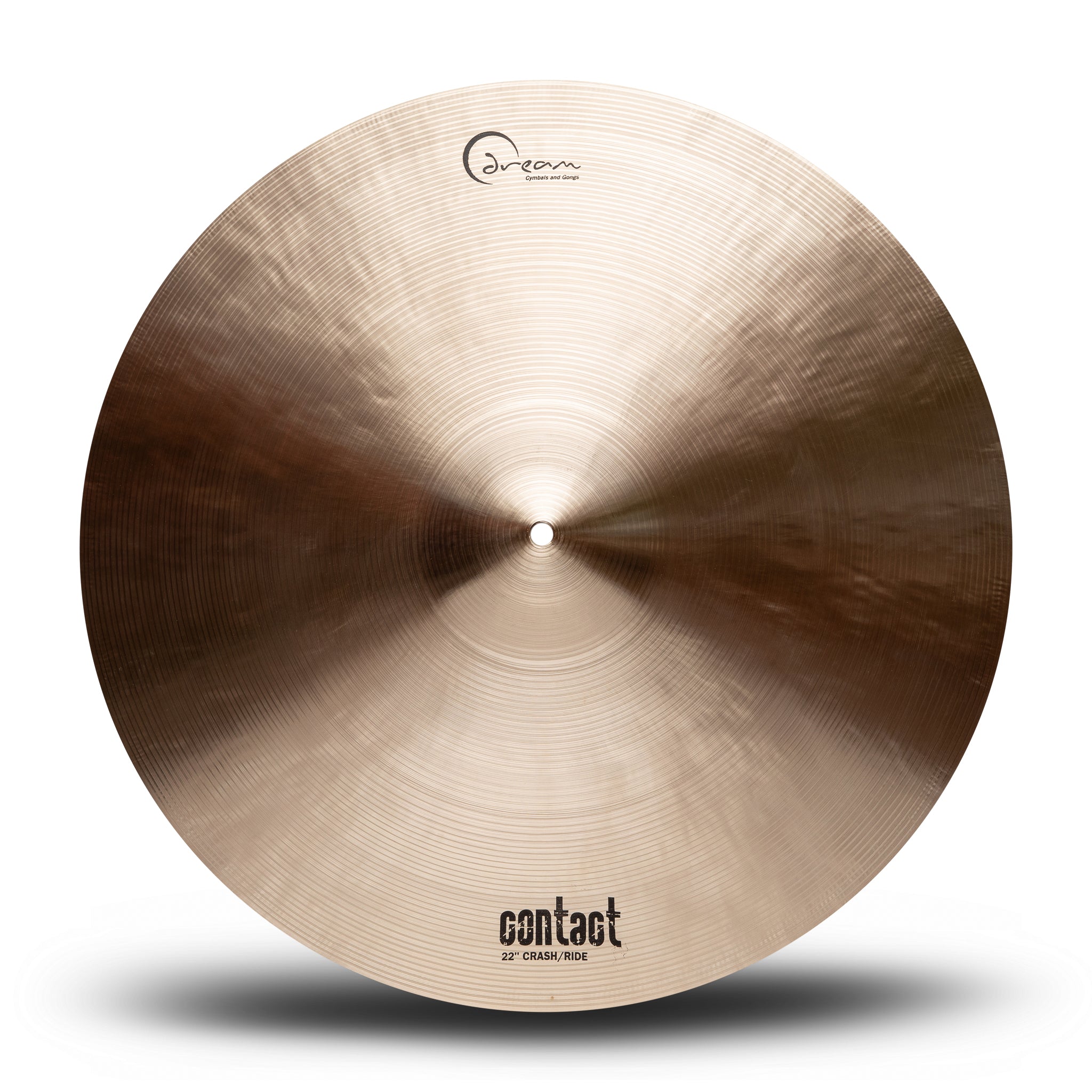
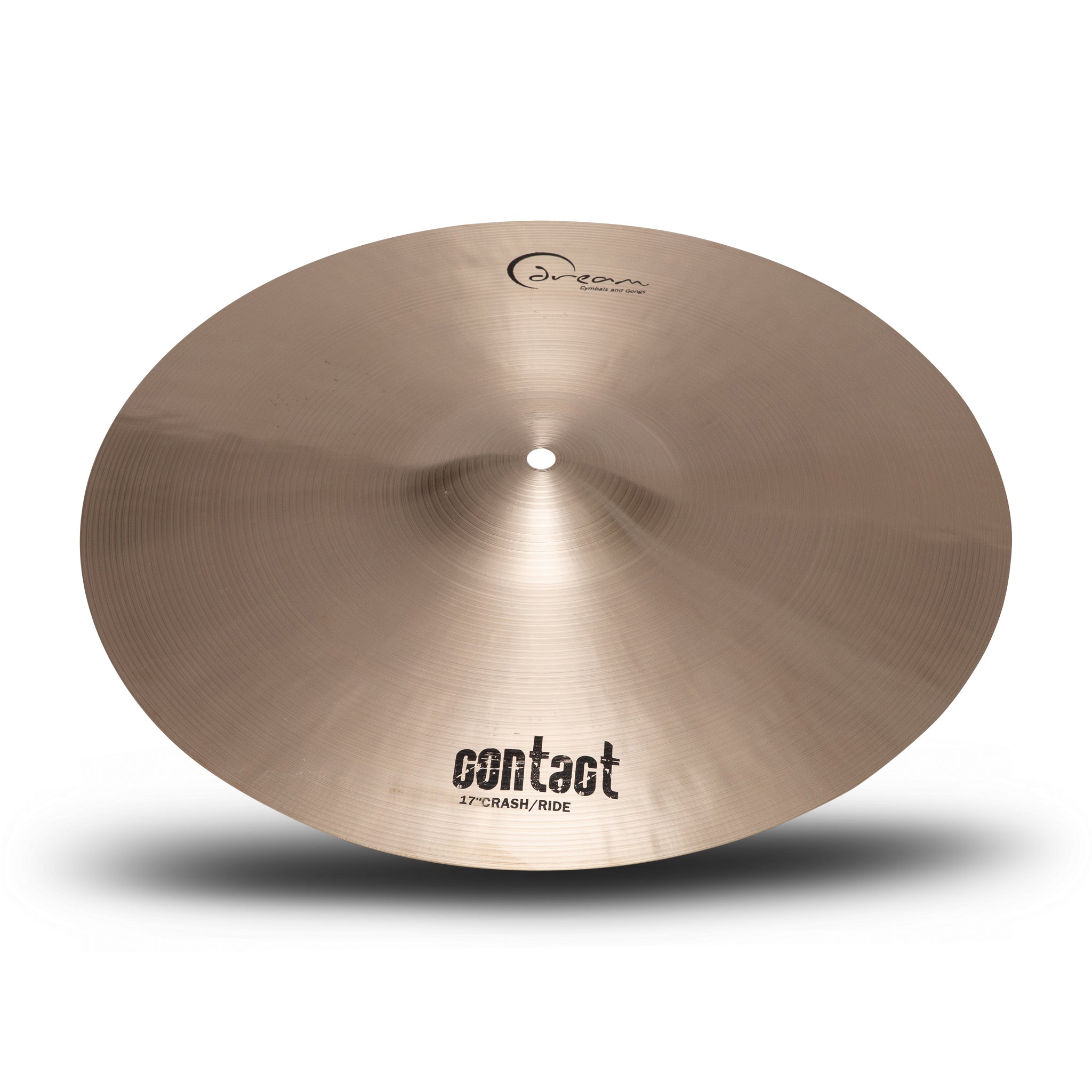
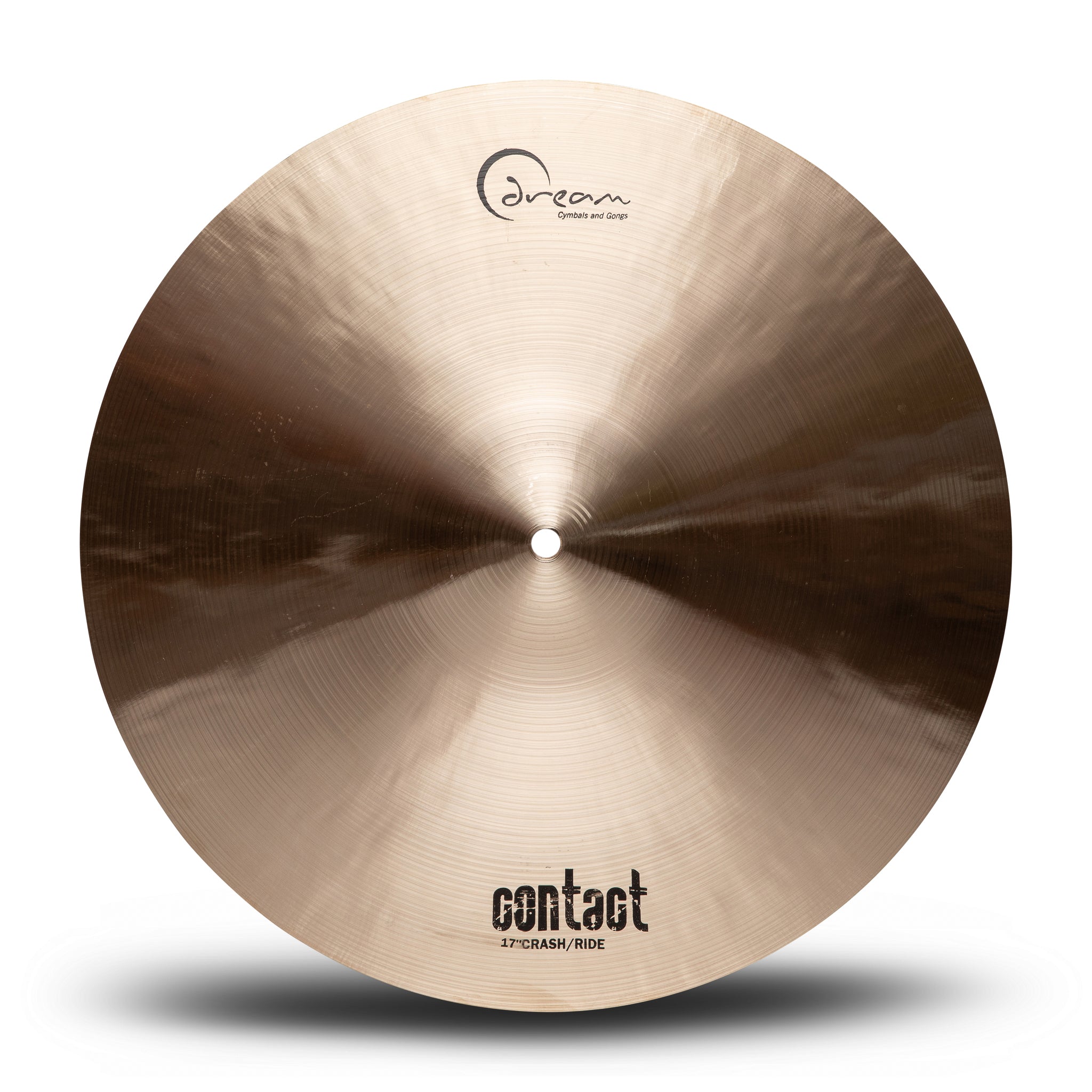
In the studio, I wanted something a little brighter and more alive. I tend to record a lot of country rock and have been recording more blues rock lately as well. The Contact line delivers a very 70s approach but again, manages to help out with volume. This means that in any studio, especially my small home studio, I can confidently make use of the overhead and room microphones to deliver an organic picture of the entire drum set without worrying about the cymbals being too loud. They speak very clearly like louder cymbals do, but they’re a little more “tucked in” and carry the same rich harmonics I’ve loved in all the Dream lines.
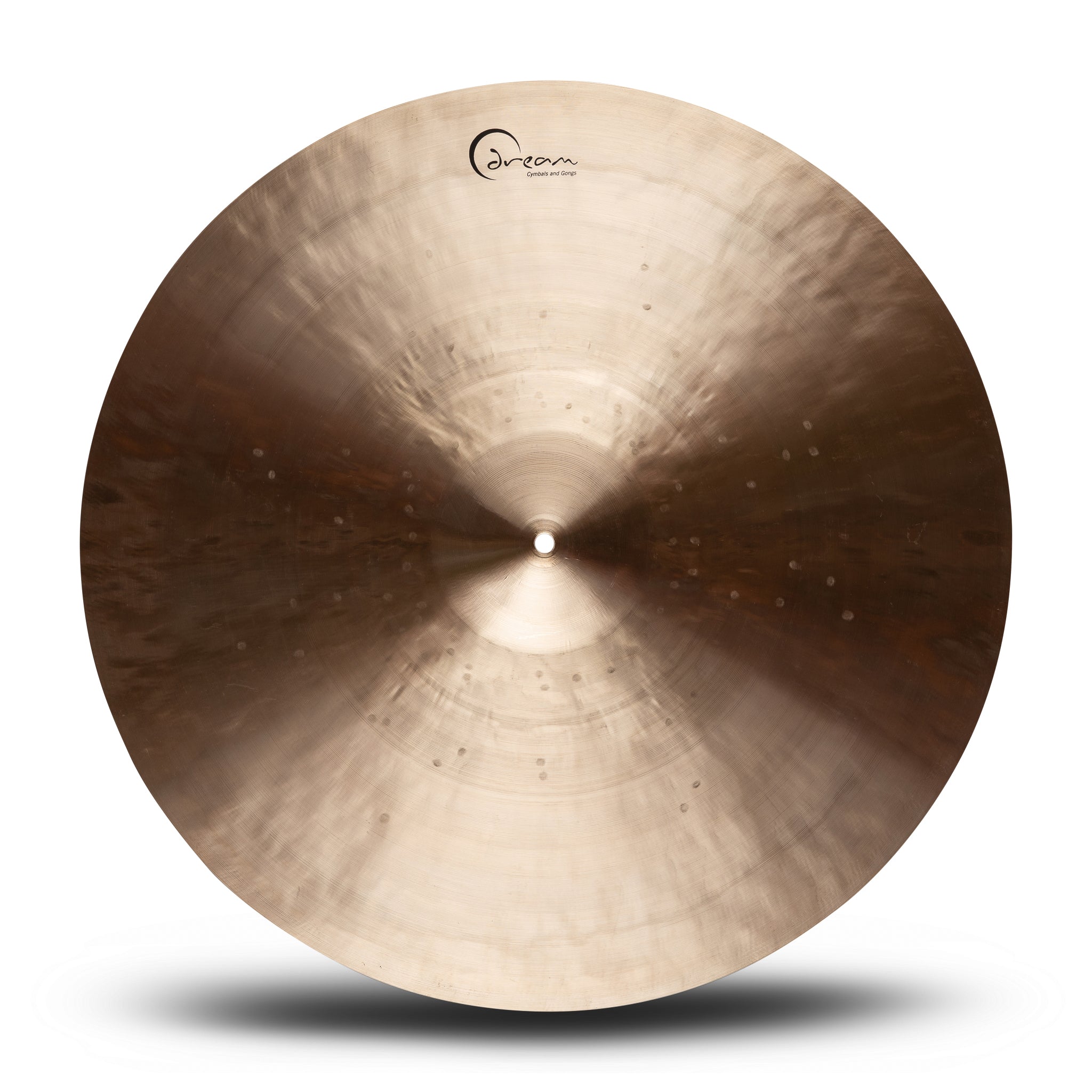
Mario's Dream Setup
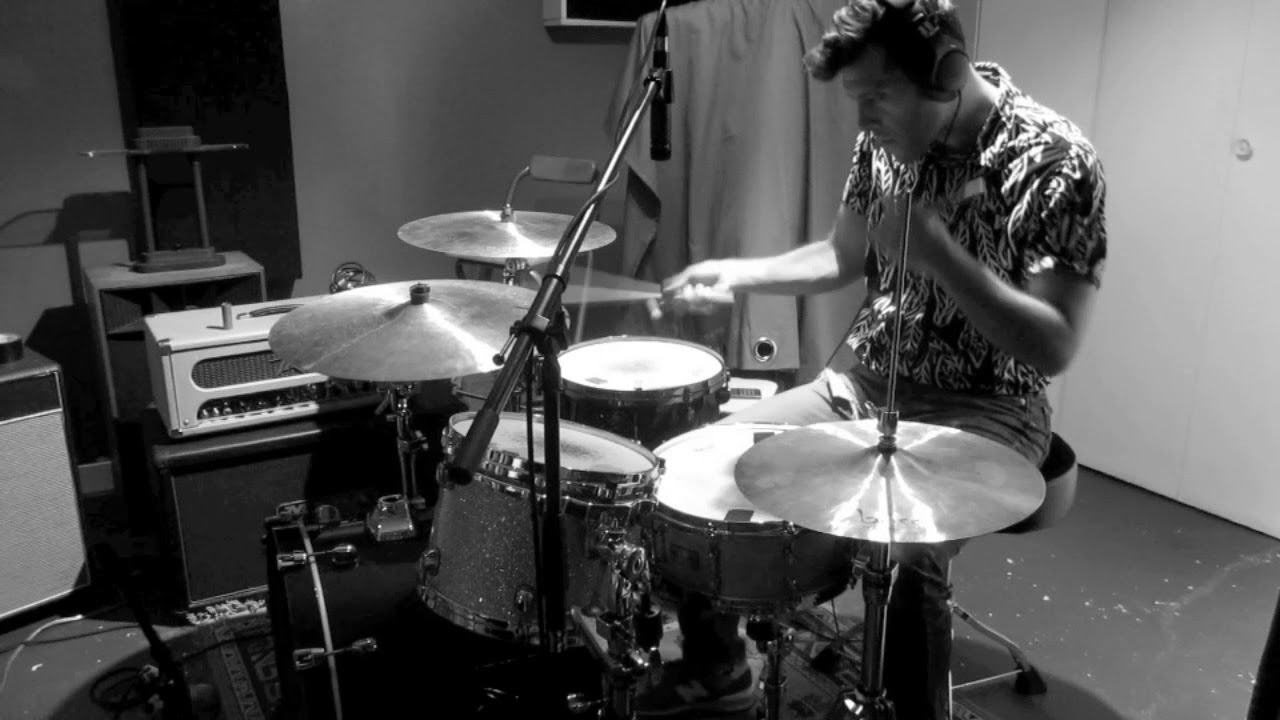
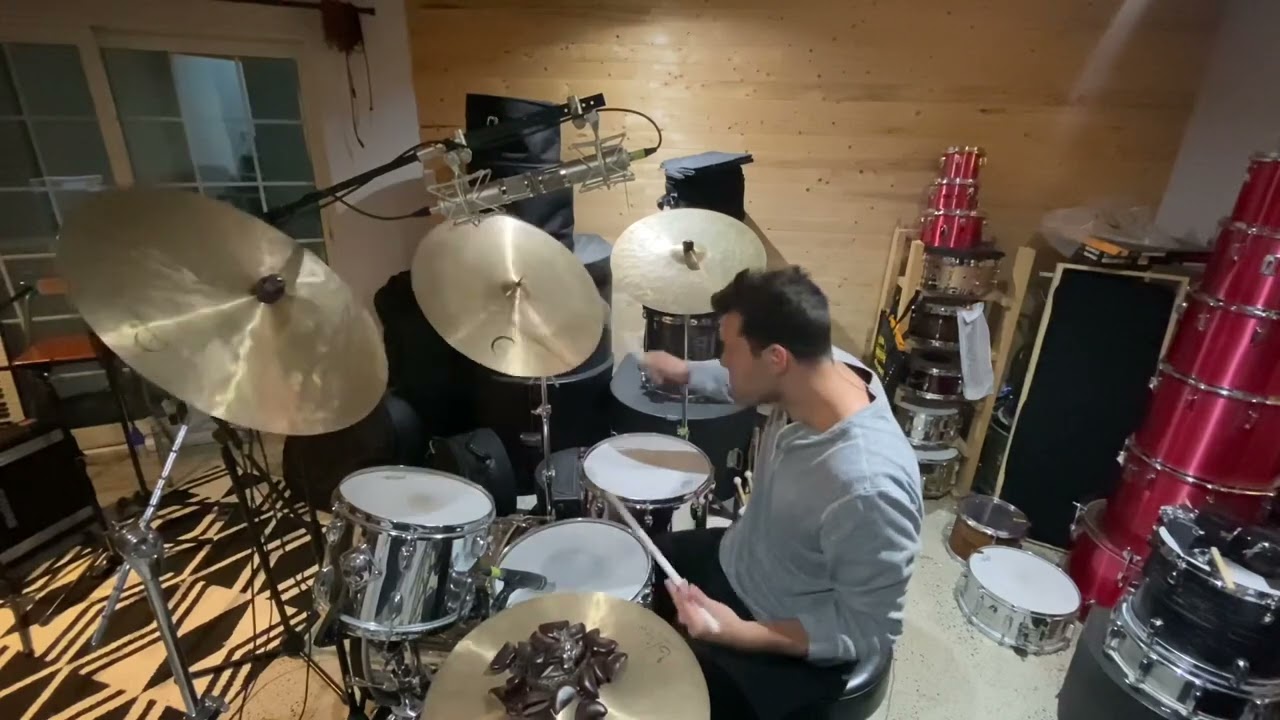
Watch & Listen
Meet Our Artists
Michael Cavanagh
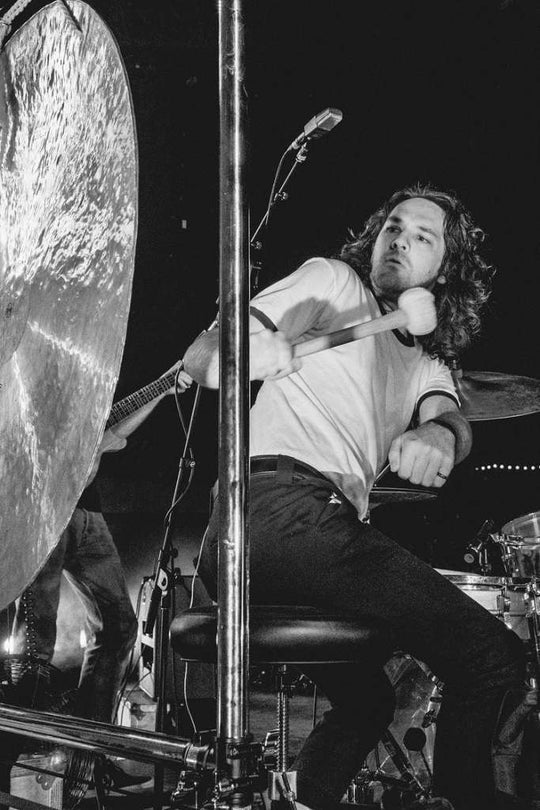
Michael “Cavs” Cavanagh is an Australian drummer best known for his work with the psychedelic rock band King Gizzard & the Lizard Wizard. Cavs has been a pivotal member of the band since their formation in 2010. His dynamic drumming style encompasses an array of genres, including psychedelic rock, progressive rock, jazz, and thrash metal.
Cavanagh’s versatility and energy have significantly contributed to the band’s innovative, genre-bending sounds.
Paul Wertico
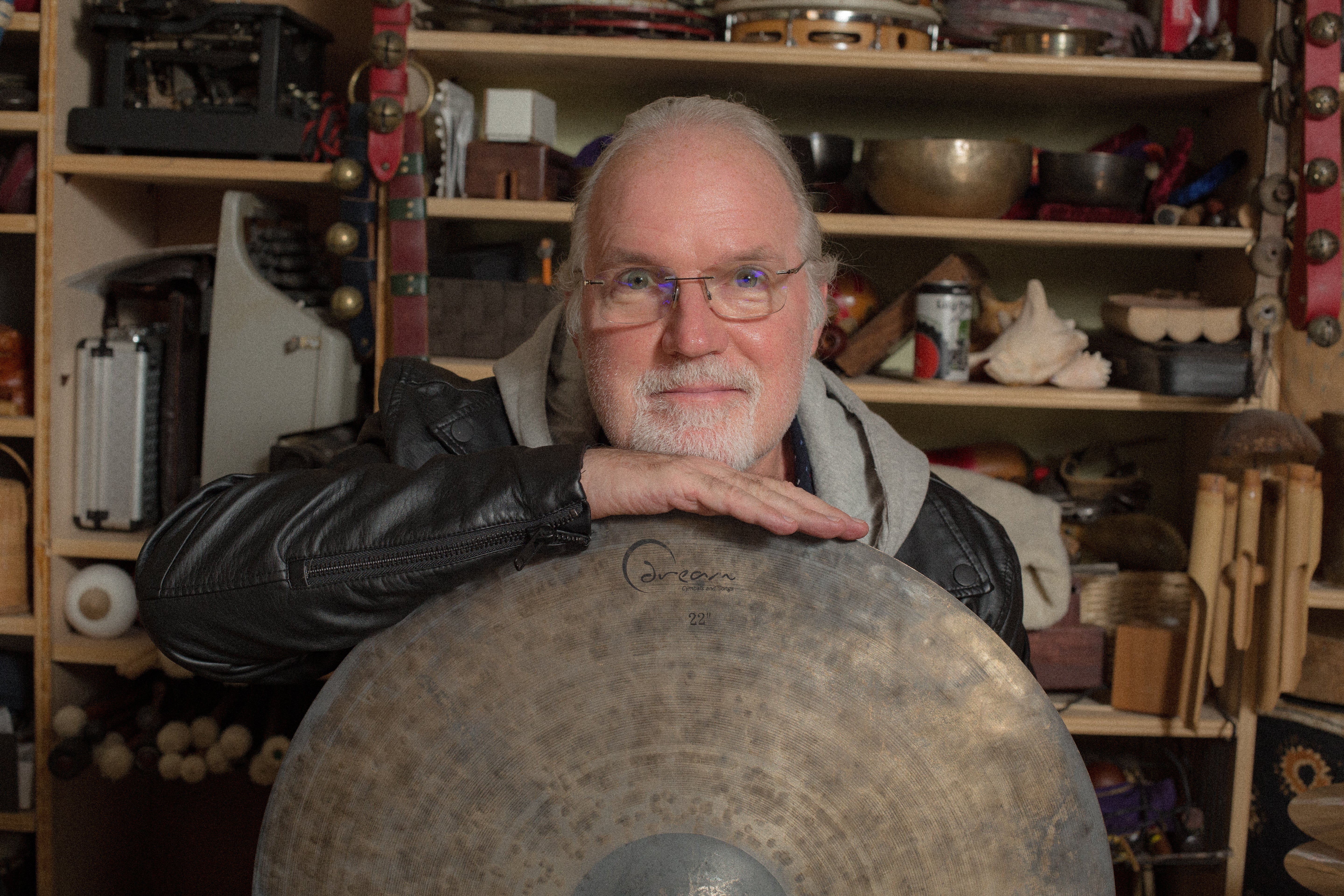
Paul Wertico, a seven-time Grammy-winning drummer best known for his work with the Pat Metheny Group, has performed with artists like David Bowie and Kurt Elling and released several acclaimed solo albums. Also a dedicated educator, he’s in his 22nd year as Associate Professor of Jazz at Roosevelt University and continues to conduct drum clinics worldwide.
Ben Satterlee
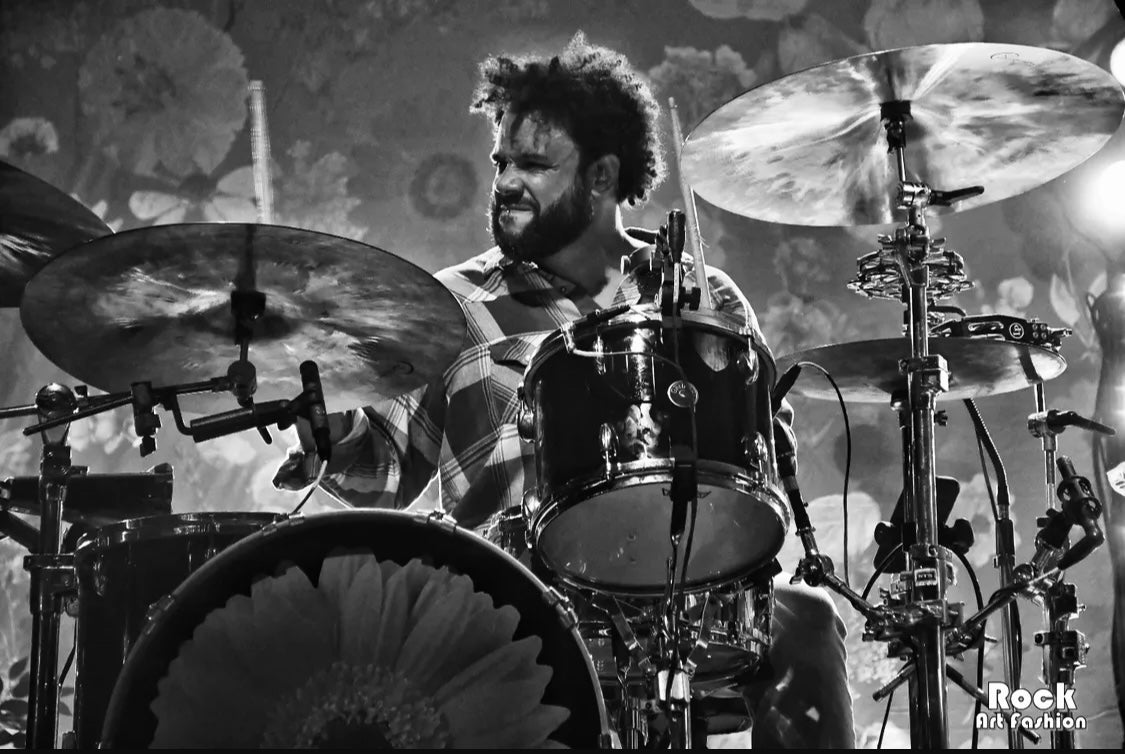
Ben Satterlee has been connected to the drums for as long as he can remember. Raised in Oklahoma, he came up through concert band in middle school and jazz band in high school, earning spots in the Tulsa All-City Band during both his junior and senior years. He credits his early mentors, Mr. Baird (Nimitz Middle School) and Mr. Kirk (Booker T. Washington High School), for fostering his passion and setting him on the path he still follows today.
Though accepted to Berklee College of Music after graduation, Ben chose to continue the momentum he had already built—having played club gigs since the age of 13 and touring regionally by 19. In 2012, he and his wife relocated to Nashville, where his career expanded into touring, recording, and developing his own teaching approach rooted in simplicity, musicality, and real-world application.
Ben is currently in his third year as the touring drummer for Grammy Award–winning Larkin Poe. When he’s not on the road, he’s at home in Nashville spending time with his wife and their four boys.
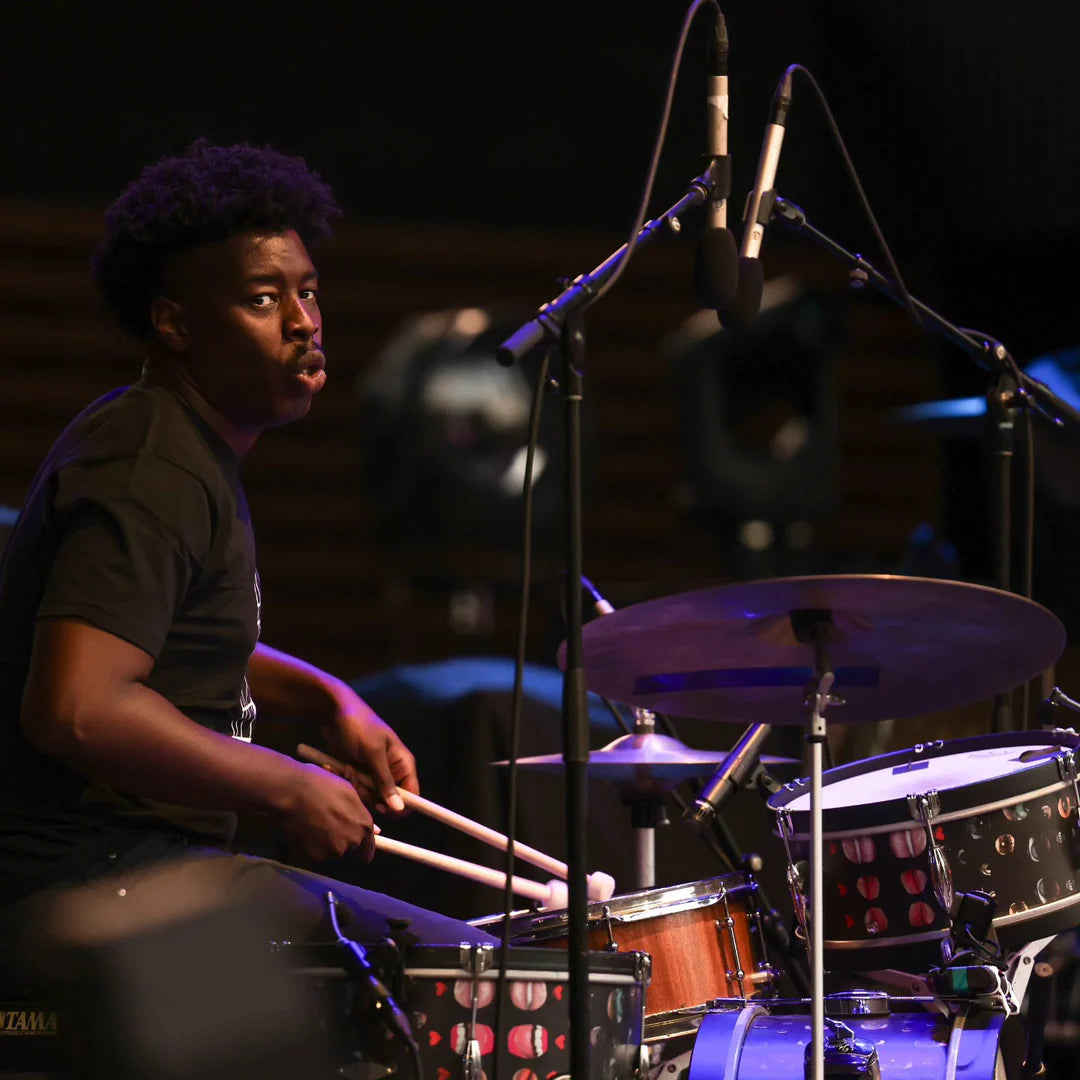
Dante Foley
Dante Foley (They/Them) is a drummer and video creator from Cleveland, Ohio. Coming from the Cleveland open mic and DIY scene of the 2010s they sat in with many local projects before joining and touring with Cleveland collective Mourning [A] BLKstar. The collective went on to win the Cleveland Arts prize, compose and perform music for Company Christoph Winkler in Berlin, Germany, as well as tour the U.S. and the E.U.
Foley has also traveled the U.S. and E.U. as a guest percussionist in the band Algiers and freestyle percussionist for the Lonnie Holley quartet.

Lia Braswell
Setting out on one’s own is a daunting thing. Whether it’s leaving home, changing careers, or in Lia Braswell’s case, pursuing her first solo musical endeavor, the process is nearly always as fraught as it is illuminating. But on her debut full length, Repetition, Revisions, Temptation, Decisions, she executes the feat with astounding grace.
If Braswell’s name rings a bell, that’s because it should. Having done time as the touring drummer for A Place To Bury Strangers, TR/ST, Le Butcherettes, Sextile, and many others, Braswell has performed on nearly every continent and played internationally renowned festivals such as Coachella and Cruel World. As such, it should come as no surprise that her impressive resumé shines through in the expertly crafted, ethereal dream pop of Repetition, Revisions, Temptations, Decisions. Simultaneously evoking the airy, atmospheric sensibilities of Cocteau Twins, the pop-forward experimentation of Kate Bush, and the hyper-danceable, retro synthwave of contemporary artists like Riki and Nuovo Testamento, Braswell’s self-assured presence as both a songwriter and vocalist results in an effort that bears none of the awkward growing pains one might expect from a new project. Equally arresting is Braswell’s lyrical finesse, with profoundly evocative and delicately personal narratives elevating the already deeply affecting music to heights that border on the sublime.
Moving from the relative anonymity of a drumkit to the revealing illumination of center stage comes with its own unique set of anxiety-inducing challenges, but if Braswell is experiencing any trepidation, it certainly doesn’t show in the quality of her music. Then again, when you’ve already toured with Iggy and the Stooges by age 20, maybe embarking on a solo career seems quaint in comparison. What’s beyond debate is that Braswell has a remarkable knack for songwriting and performance that is self-evident on her stunning debut. Accomplished a career as it already is, Repetition, Revisions, Temptations, Decisions feels like just one more step forward in an ever-growing body of work that is much greater than the sum of its parts.
Escape Ten
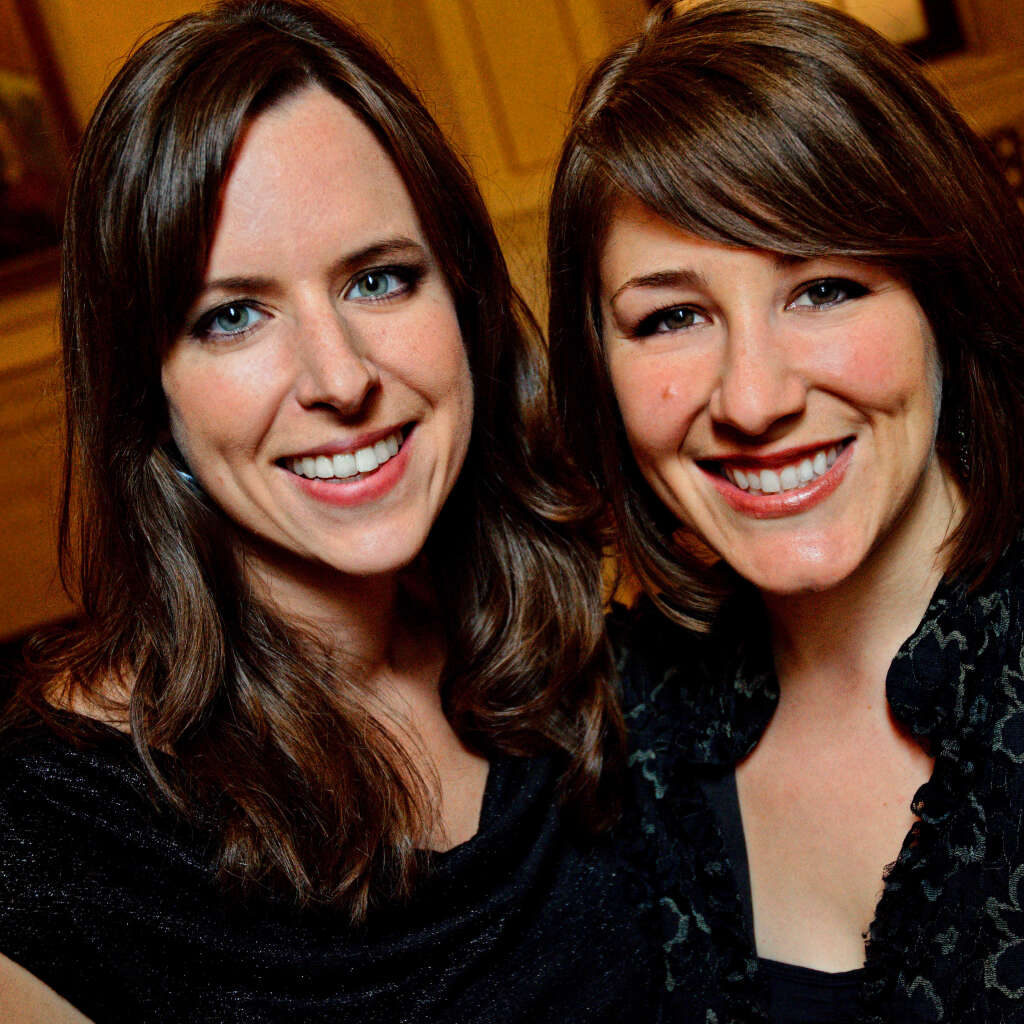
Escape Ten is a percussion duo formed by Dr. Annie Stevens and Dr.
Andrea Venet. Escape Ten is passionate about exploring all genres, and expressing it creatively through the colorful world of percussion. The duo performs a varied and exciting spectrum of music- including contemporary, pop, jazz, and classical selections. Repertoire includes their own innovative arrangements, as well as arrangements and compositions written exclusively for the duo.
Escape Ten actively performs around the country and has their own publication series of new percussion duos through Keyboard Percussion Publications (KPP). Recent activity includes a showcase concert at the 2016 PASIC Convention of new keyboard duo works, and Escape Ten's world premiere of their commission, 2300 Degrees by Ivan Trevino in Atlanta’s Spivey Hall.
Escape Ten has been featured artists at the Barnes Foundation, the 35th and 36th Annual Leigh Howard Stevens Marimba Seminars, the Rhea Miller Concert Series, the McCormick Marimba Festival, Minnesota Percussion Association Day of Percussion, University of Central Arkansas, University of North Carolina, Southeast Missouri State, Virginia Tech, the International Trombone Festival, Christopher Newport University, the Virginia Music Educators Association Conference and at the Virginia Humanities Conference at Roanoke College.
Decorated as accomplished soloists, Escape Ten members Annie Stevens and Andrea Venet have both performed and competed throughout the world. Both hold a doctorate in Performance and Literature from the Eastman School of Music. Dr. Stevens is Assistant Professor of Percussion at Virginia Tech Dr. Venet is Assistant Professor of Percussion at the University of North Florida.
Andrea and Annie are both Malletech performing artists, endorse Remo and Dream Cymbals, and are active members of the Percussive Arts Society.
---
(Andrea Venet)
Dr. Andrea Venet is the Assistant Professor of Percussion at the University of North Florida where she directs the UNF percussion ensemble, teaches applied lessons, pedagogy, methods and percussion literature. As a passionate educator, Dr. Venet’s research involves pedagogy, with focus on college percussion education at various levels, classical improvisation and historically informed Baroque performance practice techniques for Bach on marimba. Her arrangements and compositions can be found through KPP.
As an international soloist, Dr. Venet has performed at the 5th Annual Marimba Competition in Stuttgart, Perkumania Paris International Marimba Competition, as well as taking 2nd prize at the 2013 PAS KoSA Solo Marimba Competition at New York University. Additionally, Dr. Venet has been a featured soloist with the Eastman Percussion Ensemble, a member of the award winning Santa Clara Vanguard Drum and Bugle Corps, and performed with Grammy winning alternative band TOOL.
(Annie Stevens)
Dr. Annie Stevens is the Assistant Professor of Percussion at the Virginia Polytechnic Institute and State University in Blacksburg, Virginia where she teaches studio percussion and directs the Virginia Tech Percussion Ensemble. As an active soloist and chamber musician throughout the U.S. and internationally, Annie has been featured in recent performances at the Percussive Arts Society International Convention, International Trombone Festival, the International Trumpet Guild, the International Computer Music Conference, and Eastman’s China Connection Ensemble. She has performed with the festival orchestras of the Music Academy of the West in Santa Barbara, the National Orchestral Institute in College Park, Maryland, and the Aspen Music Festival. She can be heard on albums, Blue Earth County with the Kelly Rossum Quartet, and Escape Ten’s, Colours of a Groove.